
Already yielding results’: Jaishankar backs direct dialogue with Tehran to secure Indian tankers in Strait of Hormuz
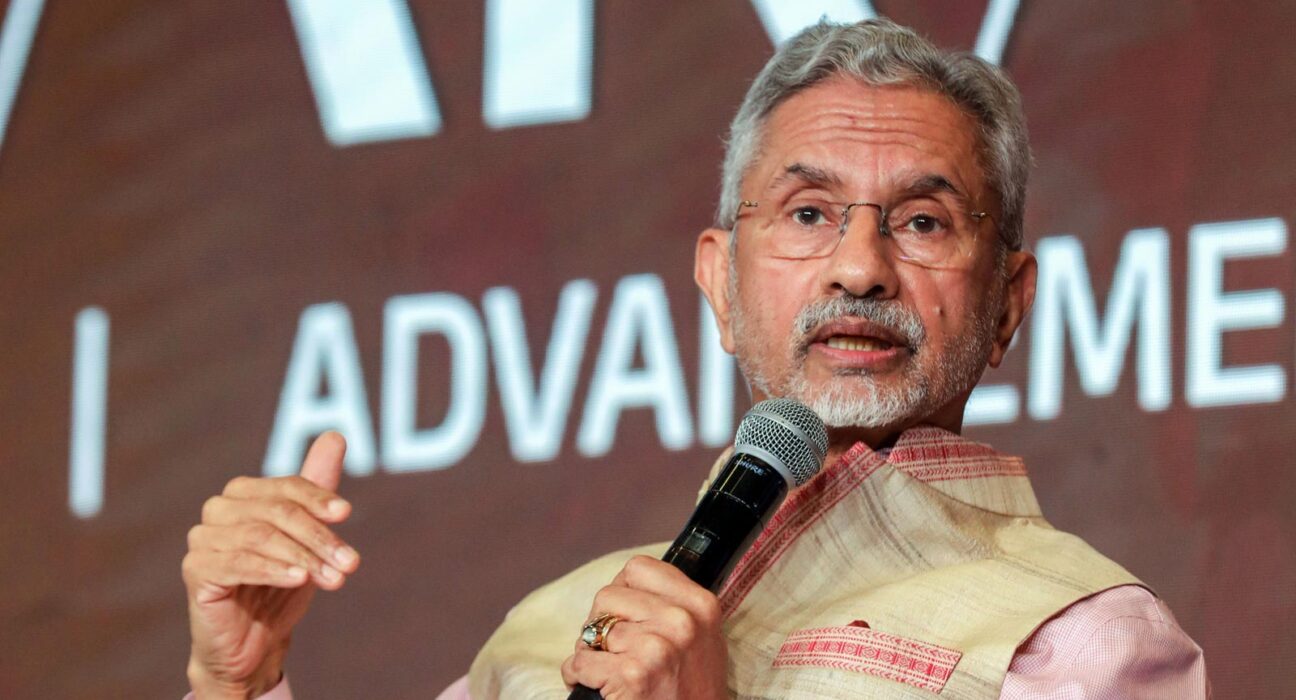
External Affairs Minister S. Jaishankar has emphasised the importance of direct dialogue with Tehran to ensure the safe movement of Indian vessels through the Strait of Hormuz, as India works to safeguard its energy security amid escalating tensions in the Middle East.
In an interview with the Financial Times, the minister said New Delhi is actively engaging with Iran to facilitate the reopening of the strategically vital waterway, through which nearly 20 per cent of the world’s oil trade passes.
Jaishankar said the ongoing discussions with Iranian authorities are “already yielding some results,” indicating that India considers dialogue and coordination with Tehran to be the most effective approach.
“Certainly, from India’s perspective, it is better that we reason and we coordinate and we get a solution than we don’t. While this is a welcome development, there is continuing conversation because there is continued work on that,” he said.
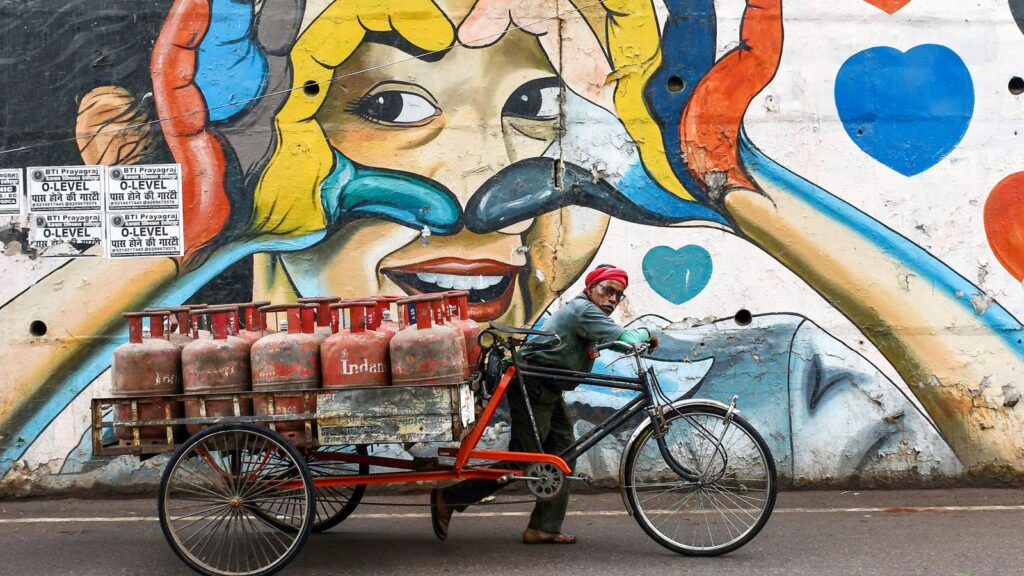
The minister pointed to the recent passage of two Indian-flagged vessels – Shivalik and Nanda Devi – as a practical outcome of this diplomatic engagement. The tankers, carrying approximately 92,712 metric tonnes of liquefied petroleum gas (LPG), are currently en route to the Indian ports of Mundra Port and Kandla Port.
However, Jaishankar clarified that a formal “blanket arrangement” covering all Indian-flagged ships has not yet been established. He said the transit of vessels through the Strait is currently being managed on a case-by-case basis.
The remarks come amid heightened regional tensions following warnings from Donald Trump regarding possible additional strikes on Iran’s Kharg Island, a key oil export terminal.
In a social media post, Trump urged international partners – including China, France, Japan, South Korea and United Kingdom – to deploy naval assets to help secure the critical shipping route.
Explaining India’s diplomatic approach, Jaishankar said New Delhi’s strategy is rooted in sustained engagement and dialogue with Tehran.
He added that while India is willing to share its experience with European countries, each nation’s relationship with Iran is shaped by its own “circumstances”.
Meanwhile, the Ministry of Petroleum and Natural Gas confirmed that the Indian-flagged tanker Jag Laadki departed from Fujairah on Sunday. The vessel, carrying 80,800 metric tonnes of Murban crude, had been loading at a facility when the terminal came under attack.