
India launches first global clinical study integrating Ayurveda with modern TB treatment
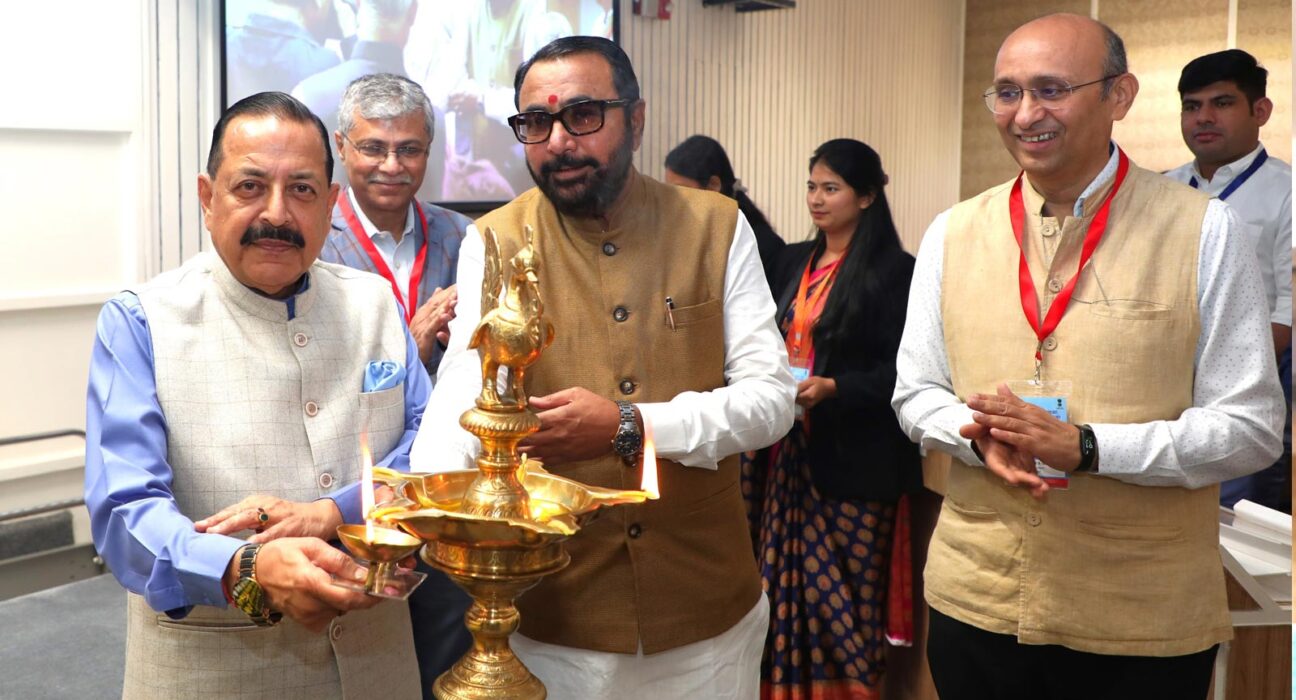
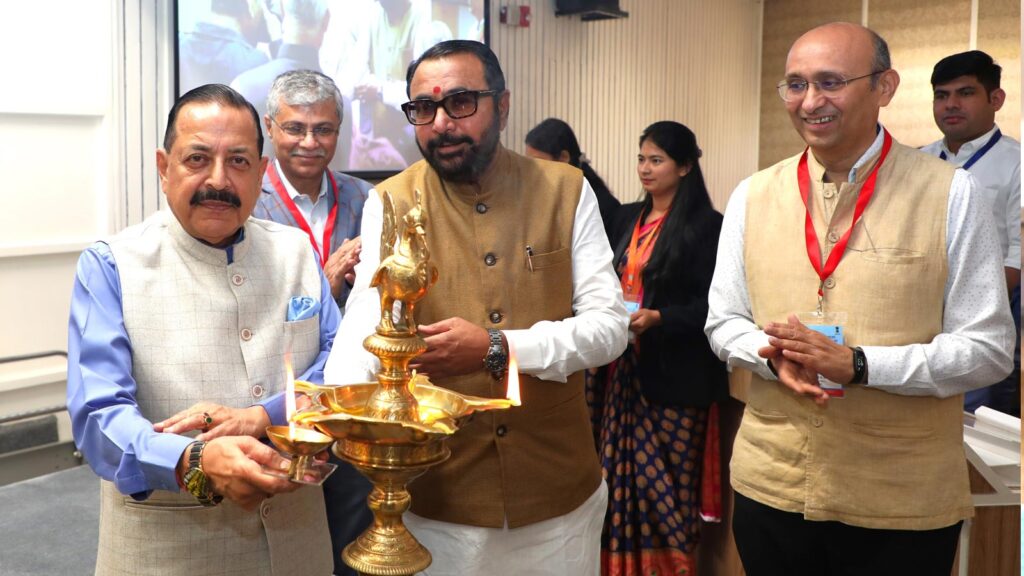
Marking World Tuberculosis Day, India on Tuesday launched a first-of-its-kind global clinical study to scientifically evaluate the integration of Ayurveda with standard tuberculosis treatment, in a major step towards achieving a TB-free nation.
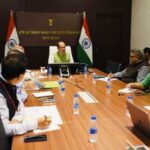
Announcing the initiative, Union Minister Jitendra Singh described the study as a unique convergence of modern biotechnology and traditional knowledge systems aimed at improving treatment outcomes through a holistic and patient-centric approach.
The study will assess Ayurveda as an adjunct to standard Anti-Tuberculosis Treatment (ATT), with participation of over 1,200 patients across leading institutions in the country. It seeks to evaluate outcomes such as nutritional recovery, body weight, disease progression, quality of life, safety, and treatment tolerability.
Focus on Holistic TB Care
Highlighting India’s progress, Singh noted that the country has recorded a 21% decline in tuberculosis incidence since 2015, with cases dropping to around 187 per 100,000 population in 2024. He attributed the progress to sustained innovation, early diagnosis, and strengthened patient-centric care under the National TB Elimination Programme.
“Modern science and traditional knowledge must come together for holistic management and better outcomes in tuberculosis,” the minister said, stressing that TB treatment must go beyond curing infection to ensuring complete recovery and improved quality of life.
Addressing Complex Challenges
Despite advances in treatment, TB continues to pose challenges such as drug resistance, treatment-related toxicity, undernutrition, and long-term health complications. Singh noted that these issues require integrated and multidisciplinary solutions.
He also highlighted the link between tuberculosis and other conditions such as diabetes, underlining the need for a comprehensive healthcare approach.
Scientific Validation of Ayurveda
The study, a collaboration between the Department of Biotechnology and the Ministry of Ayush, aims to scientifically validate traditional medicine through rigorous research. It reflects a “whole-of-science” and “whole-of-government” approach, combining expertise across sectors.
The research will also leverage advanced tools such as immune profiling, metabolomics, MRI, and genomic analysis to understand the impact of integrative therapies on recovery and long-term outcomes.
Strengthening TB Research Ecosystem
India has been expanding its TB research efforts through initiatives such as genomic surveillance and large-scale cohort studies. Programmes like RePORT India and the Indian Tuberculosis Genomic Surveillance Consortium have contributed to global policy frameworks and strengthened the country’s response to drug-resistant TB.
The government has also been investing in diagnostics, vaccine development, and digital adherence technologies to accelerate TB elimination efforts.
Collective Effort Needed
Emphasising the role of society, Singh said tuberculosis cannot be tackled by the government alone and requires active participation from communities, civil society, and individuals to eliminate stigma and ensure early diagnosis.
He stressed that awareness, nutrition, and community support are critical components of recovery, alongside medical treatment.